
During the May Day holiday in 2026 (April 30 to May 5), the overall situation of domestic and international flights in China presented the characteristics of "stable growth in domestic flights and structural adjustment in international flights". As of May 6, 2026, the holiday has ended. Here is a summary of the key information:
1, Domestic Flight Situation
Passenger Volume and Flight Frequency
The national civil aviation transported a total of 10.54 million passengers, with an average of about 2.11 million passengers per day.
The average daily number of executed flights was approximately 15,700, a decrease of 2.6% compared to the previous year.
Ticket Price Trends
The average domestic economy class ticket price, including taxes, was about 925 yuan, an increase of 9.7% compared to the previous year.
The prices showed a pattern of "high at both ends and low in the middle":
High-price periods: April 30 (departure day) and May 5 (return day).
Low-price periods: May 2-3, with ticket prices on some routes halved compared to before the holiday.
For example, the price of a flight from Beijing to Lijiang dropped from over 1,500 yuan to 462 yuan; the price of a flight from Shanghai to Dali dropped from nearly 2,000 yuan to 600 yuan.
Operational Support
The flight normality rate reached 97.2%, an increase of 7.2 percentage points compared to the previous year.
Shenzhen Bao'an Airport saw a record high of 1,425 take-offs and landings in a single day.
Daxing Airport transported 857,600 passengers, with an average of 171,500 passengers per day.
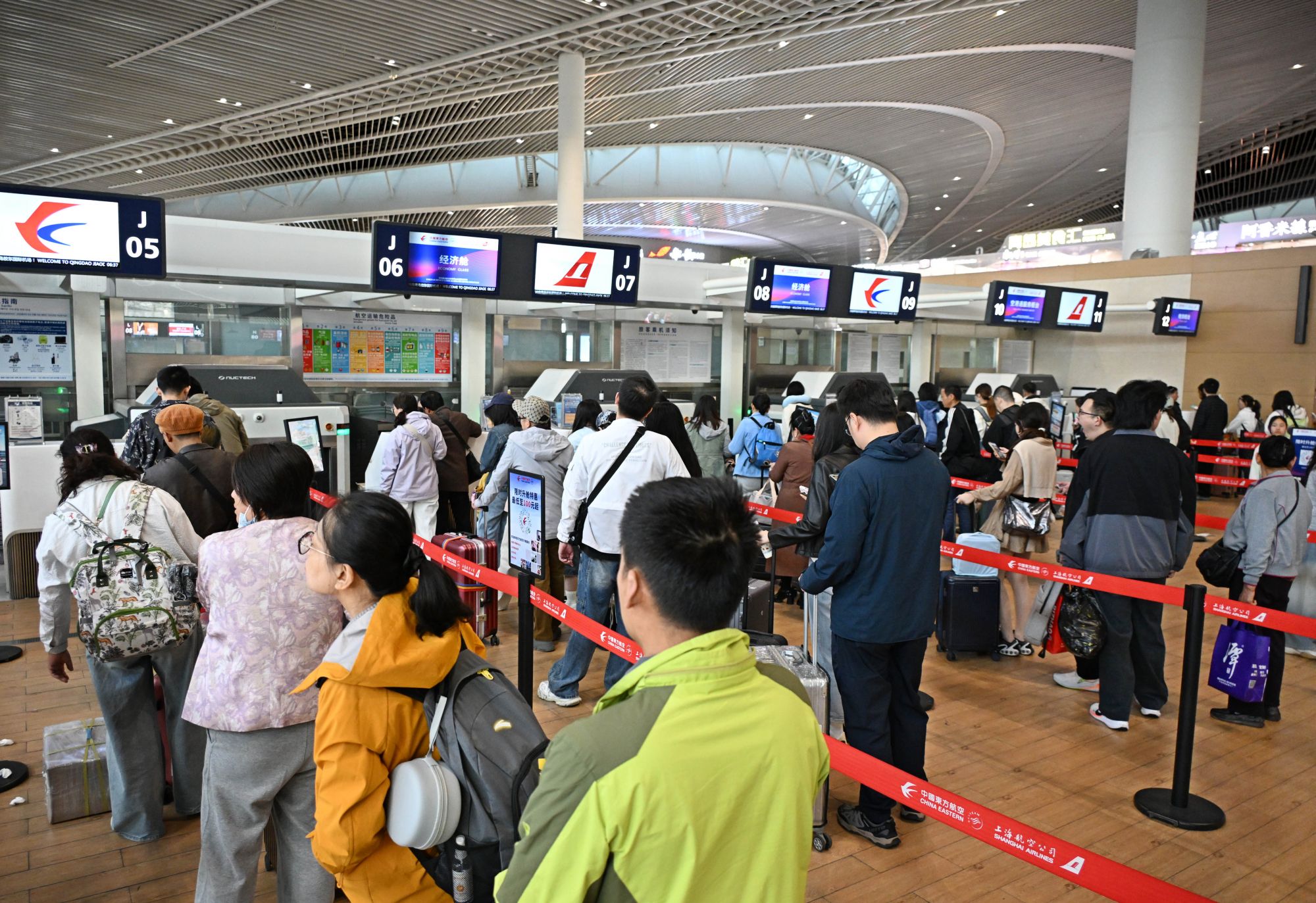
2, International Flight Situation
Overall Trend
The average one-way ticket price, including taxes, for international and regional routes was about 1,750 yuan, an increase of 9% compared to the previous year.
The total planned number of flights was 85,285, of which 9,827 were international routes, a slight increase of 1.95% compared to the previous year.
Cancellation Rate and Affected Regions
The cancellation rate for international routes rose to 7.4%, with domestic airlines' cancellation rate reaching as high as 10.7%.
The main cancellations were concentrated in:
Middle East (cancellation rate 34%)
East Asia (16.2%)
Oceania (14.4%)
Southeast Asia (6.4%)
Core trunk routes remained stable: such as flights to major cities like Bangkok, Singapore, Kuala Lumpur, and Phnom Penh operated normally.