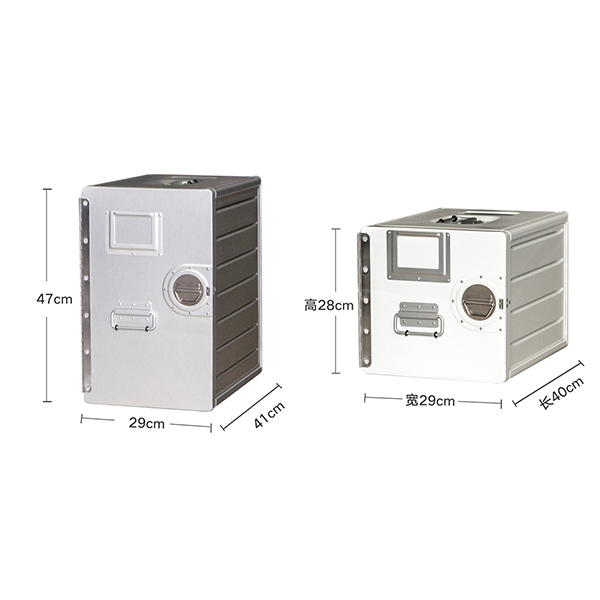
The ATLAS container and KSSU container are specialized containers used in aviation services for storing and transporting various cabin service items, commonly referred to as standard container, meal container, aircraft supply container, or storage container.
Its main features and specifications are as follows:
1、 The Core Features
A: The Lightweight design: By optimizing the use of aviation aluminum alloy and other materials, lightweight is achieved while ensuring structural strength, making it easy to transport and save fuel on board.
B: The Patent lock: equipped with a patented collision lock to ensure the safe fixation of items. Some models also offer a rotary lock option.
C: Standardized interface: Following industry standards such as ATLAS container or KSSU container to ensure compatibility with different types of kitchen equipment.
2、 The Main types and specifications:
ATLAS standard container
The Half length model: currently the most widely used model.
The Full length version: can be provided according to customer needs.
Optional locks: collision lock or rotation lock.
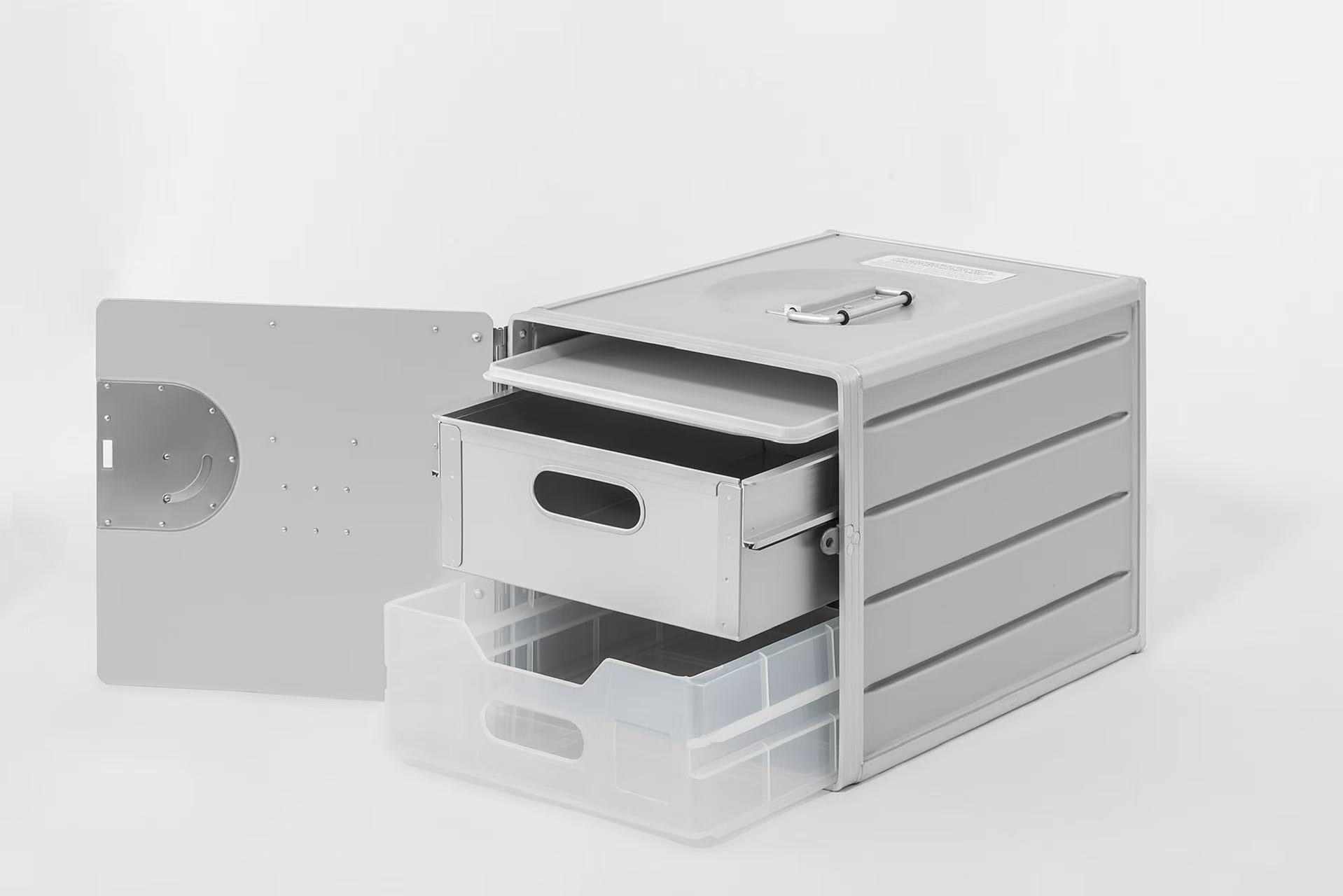
The KSSU standard container
The Full length model: the most popular model.
The Half length version: available on demand.
The Customized configuration: supports customized options.
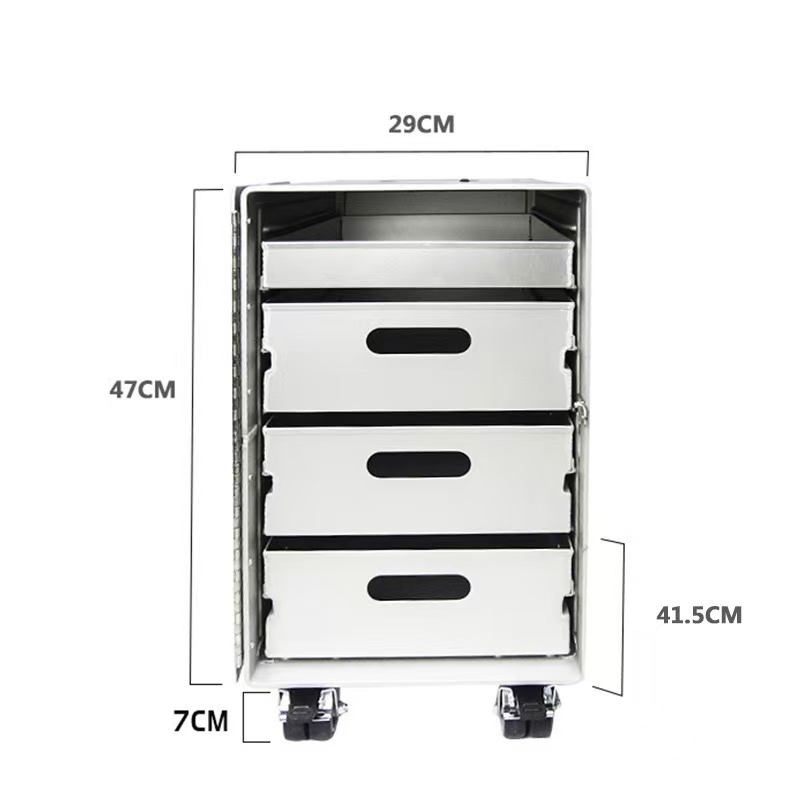
The Ice storage box
Mainly used for storing ice cubes for onboard beverage services.
ATLAS standard container model: commonly used in airplane kitchens, optional with one or two drawers.
KSSU standard container model: also available, usually equipped with two drawers.
Optional locks: also provide patented collision locks or rotary locks.
3、 The Application value
This type of container is a key equipment to ensure efficient and orderly operation of cabin services. Its standardized design enhances the interchangeability and maintenance convenience of equipment between airlines; The sturdy and durable characteristics adapt to the air transportation environment; Reasonable space planning helps to classify and store materials such as meals, beverages, dried fruits, and machine supplies, optimizing the utilization of kitchen space